REPORT ON ANTI-RAGGING AWARENESS PROGRAMME
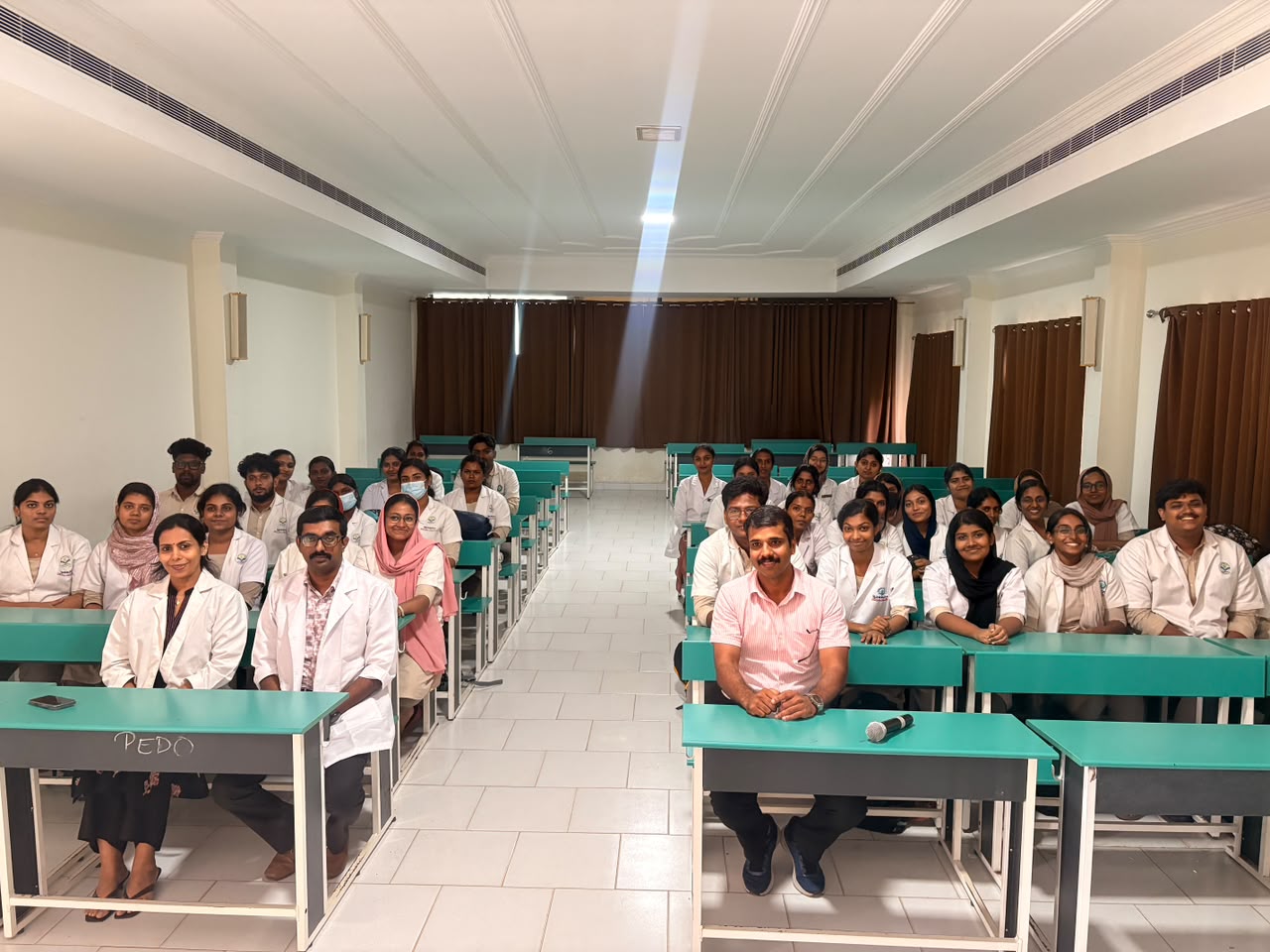
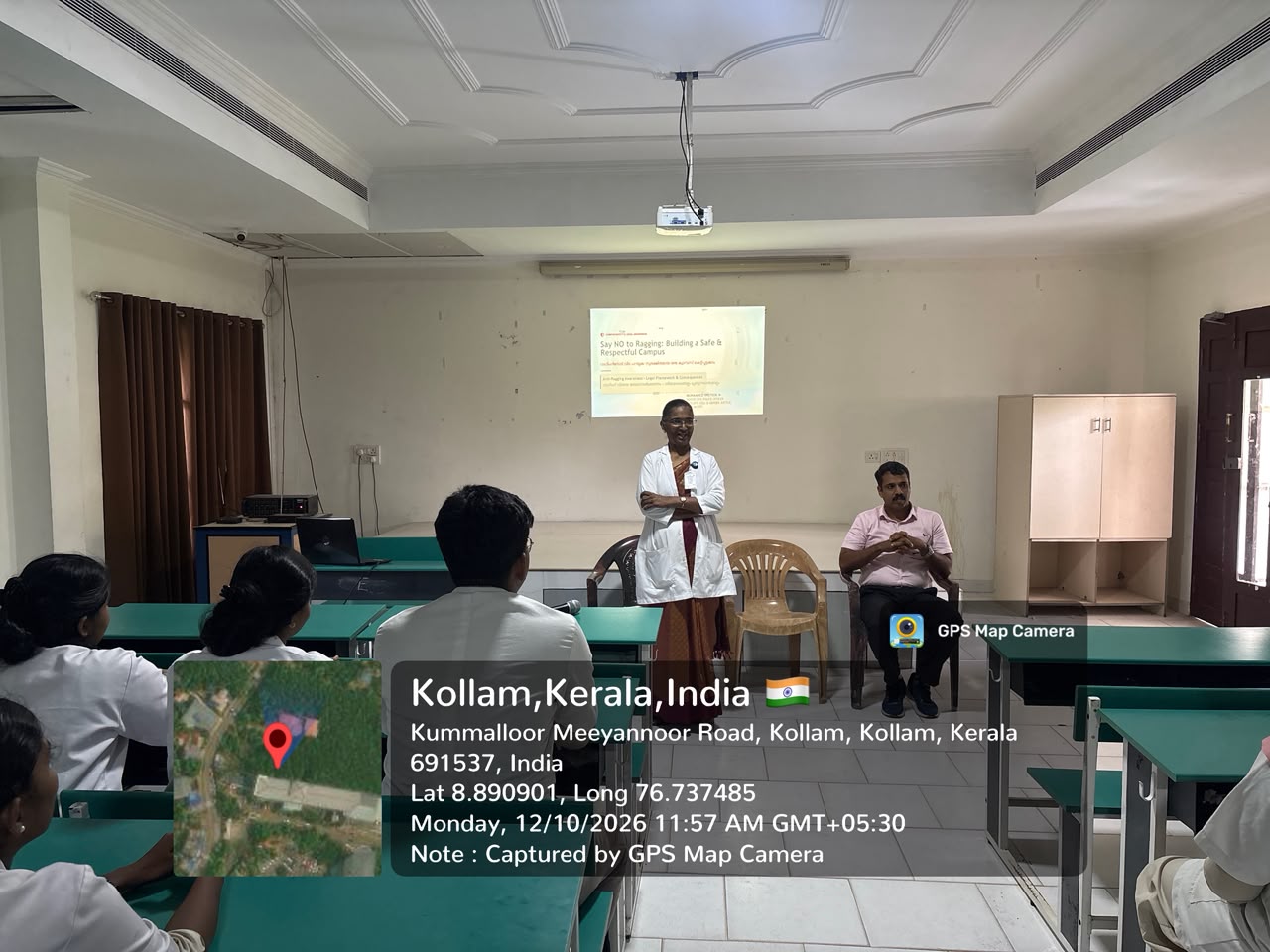
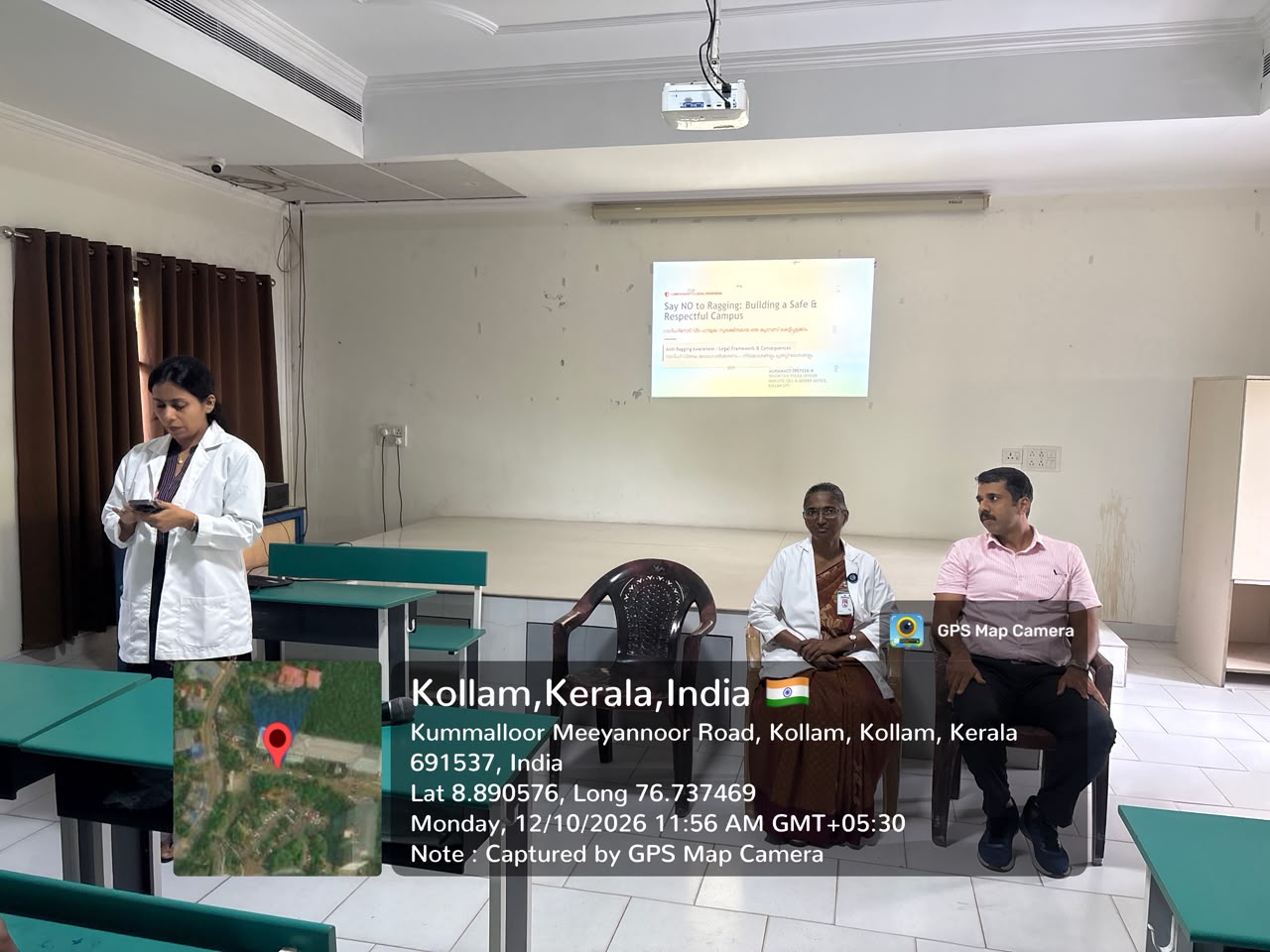
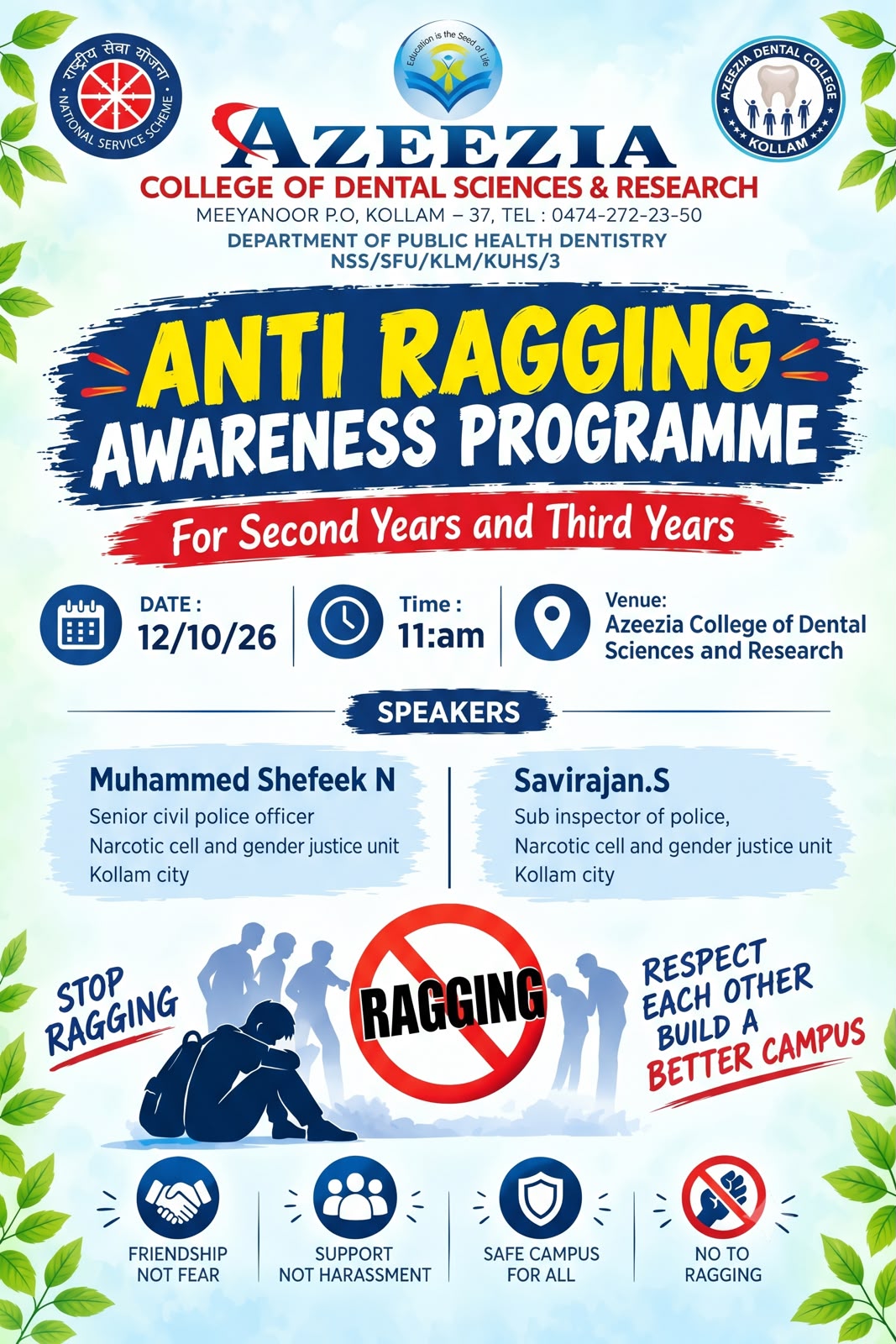
The Department of Public Health Dentistry, Azeezia College of Dental Sciences & Research, Kollam and NSS unit(NSS/SFU/KLM/KUHS/3) organized an Anti-Ragging Awareness Programme on 12th October 2026 at 11:00 am to 12:00 pm for the second- and third-year students. The programme aimed to create awareness regarding the legal implications of ragging, its various forms, the preventive measures that can be adopted, and the importance of maintaining a safe, respectful, and inclusive campus environment. The session also addressed the growing concern of drug use among students and emphasized the importance of making informed and responsible choices.
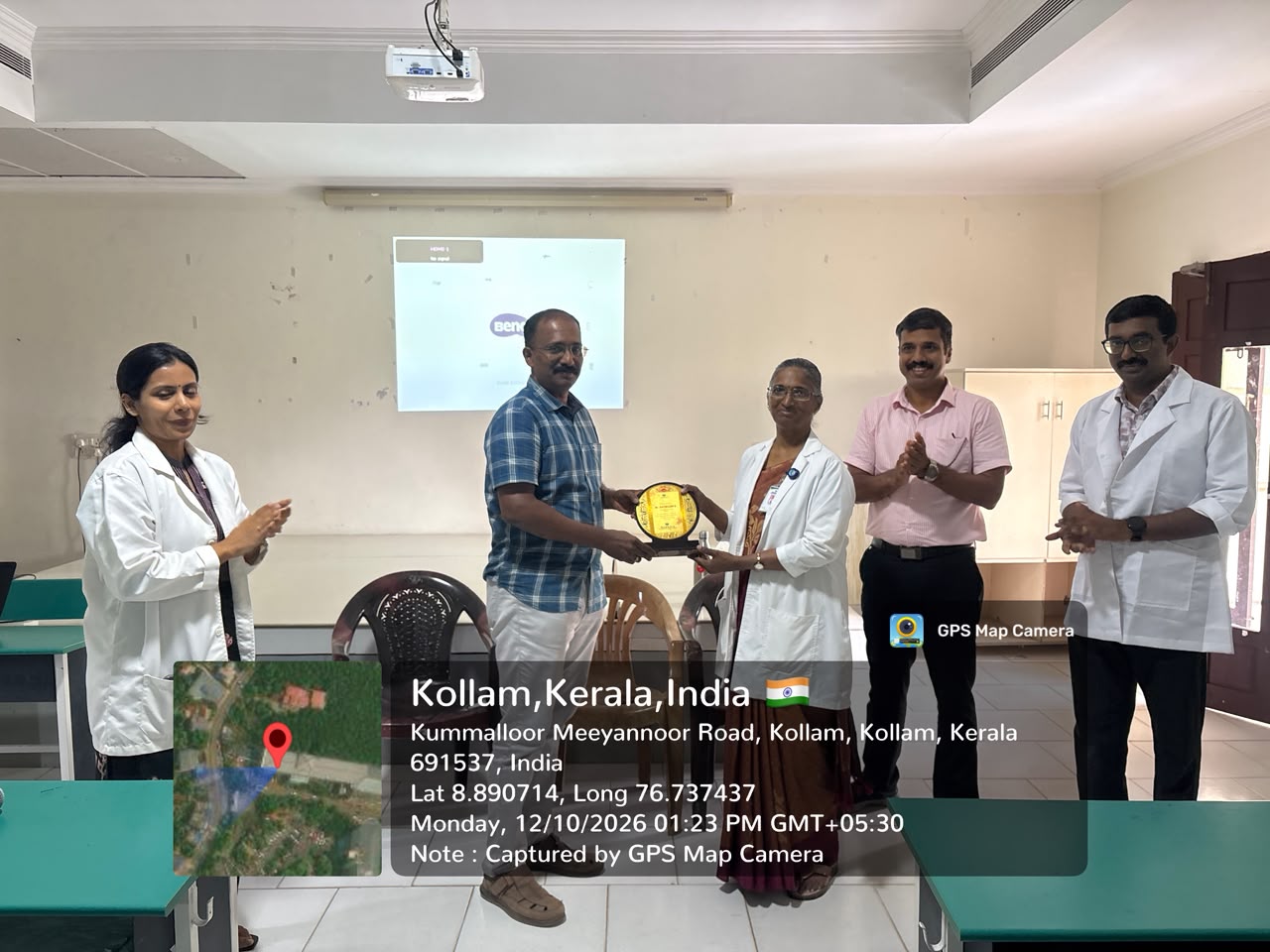
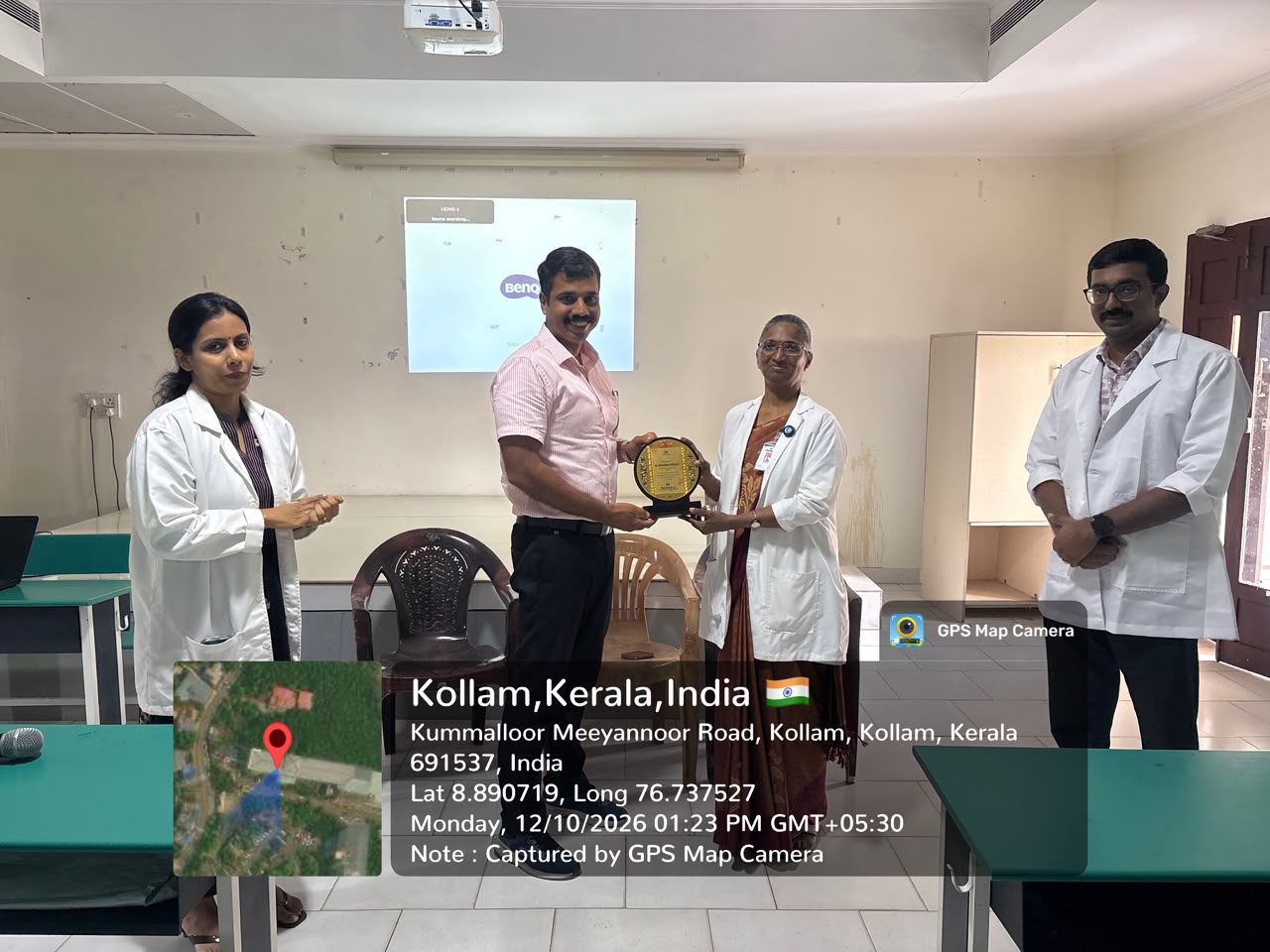
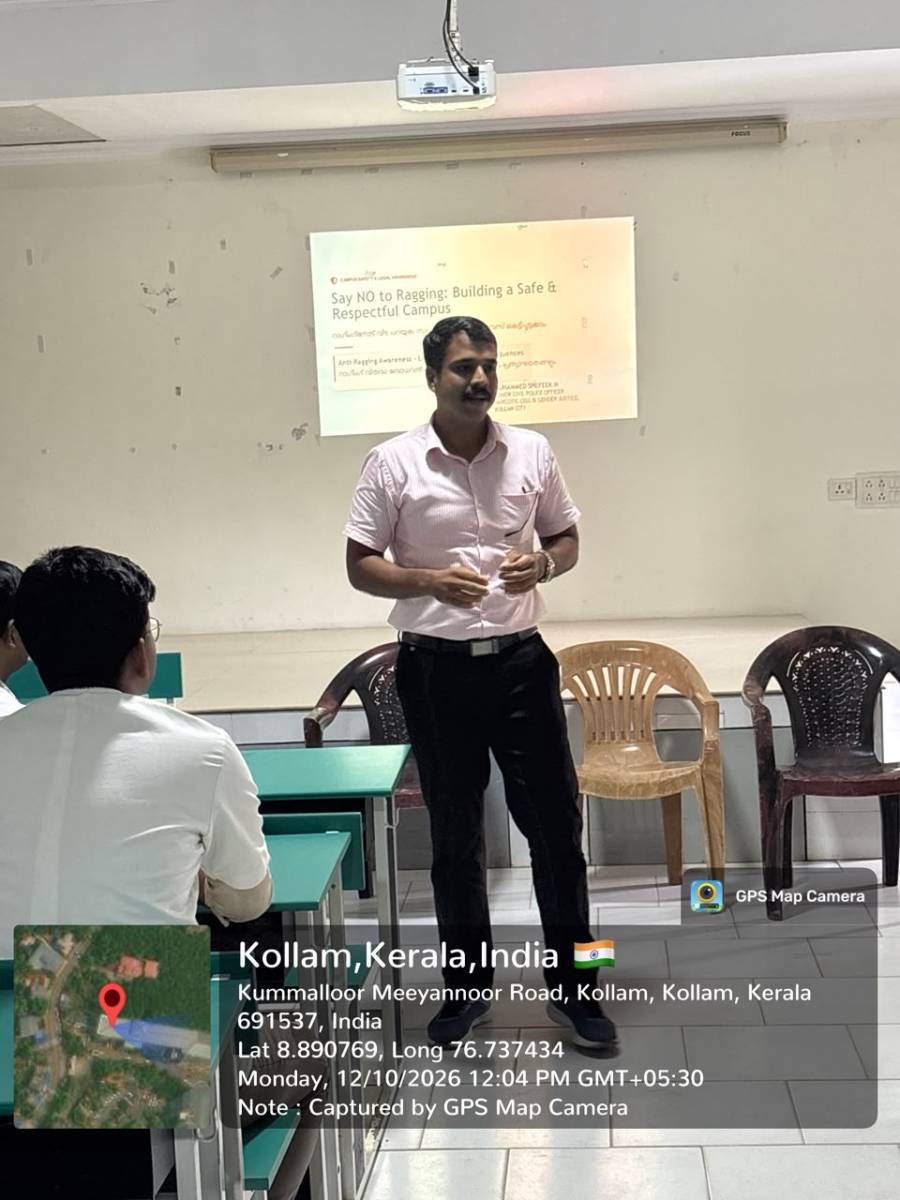
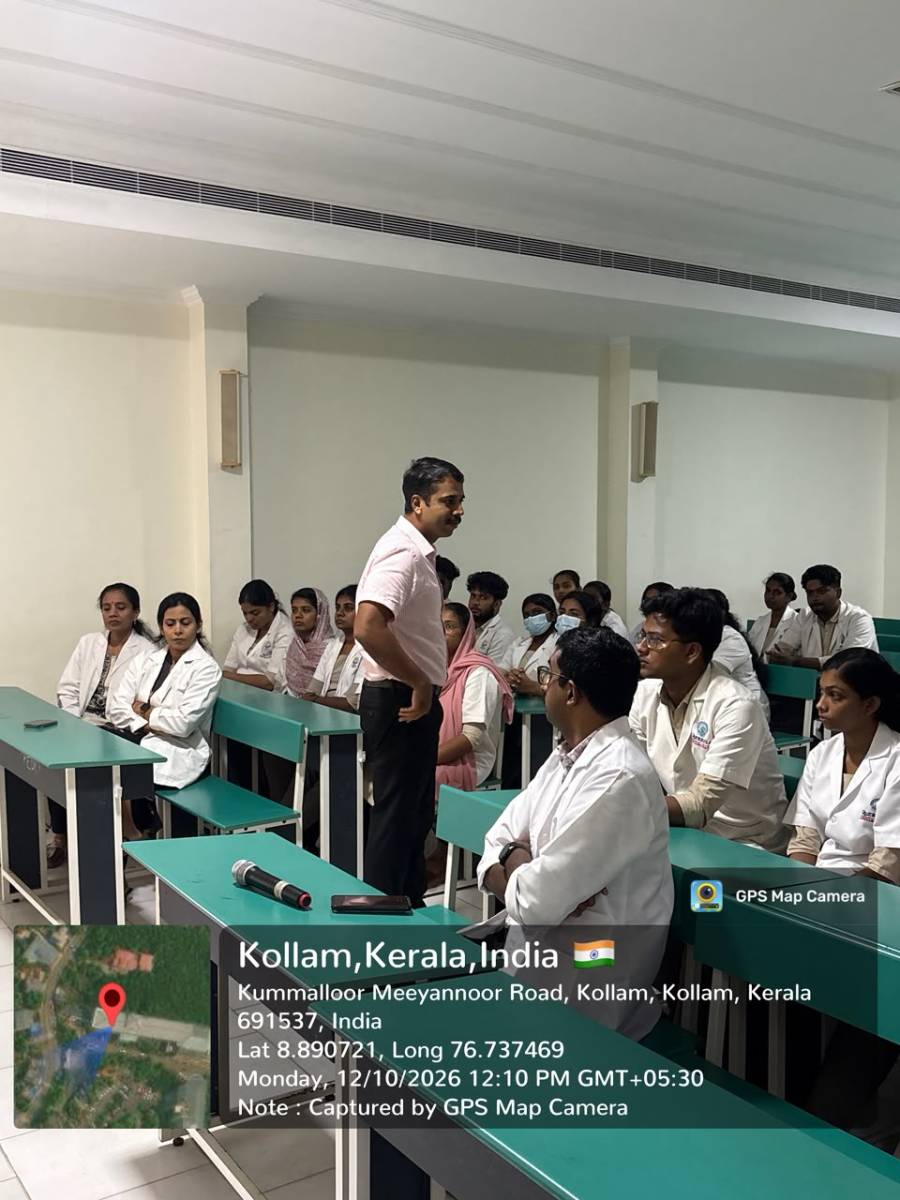
The programme was inaugurated by the Principal of Azeezia Dental College, Dr. R. Rathy, who highlighted the importance of fostering a positive academic atmosphere where every student feels safe, valued, and supported. The session was led by Mr. Muhammed Shafeek N., Senior Civil Police Officer, Narcotic Cell and Gender Justice Unit, Kollam City, who shared his knowledge and professional experience on the subject. The session began with an introduction to the history and evolution of anti-ragging legislation in India. The speaker explained how ragging, once often dismissed as a form of initiation or senior-junior interaction, came to be recognized as a serious concern because of its harmful physical, psychological, and social consequences. He discussed the development of legal measures to prevent ragging and emphasized the importance of the regulations introduced to protect students and ensure accountability within educational institutions.
The speaker then explained the legal provisions relating to ragging, drawing attention to the relevant laws, regulations, and punishments associated with such acts. He emphasized that ragging is not a harmless tradition or a means of establishing seniority, but a punishable act that can have serious consequences for both the victim and the perpetrator. The discussion highlighted the importance of understanding the legal responsibilities of students and recognizing that claims of fun, friendship, or seniority cannot justify behaviour that humiliates, threatens, or harms another individual. A major part of the programme focused on the different forms of ragging. The speaker explained that ragging may be physical, verbal, psychological, or cyber-based, and that it is not limited to direct physical assault.
The session further outlined the appropriate steps to be taken if a student experiences or witnesses ragging. Students were encouraged to report incidents promptly to the college authorities, anti-ragging committee, anti-ragging squad, or other appropriate authorities. The speaker reinforced the message that timely reporting and collective responsibility are essential for preventing further incidents and ensuring the safety of affected students. Special emphasis was placed on welcoming incoming students and providing them with a comfortable and supportive campus environment.
Following the discussion on ragging, the speaker conducted an informative session on “drug use and substance abuse among students”, addressing another important issue affecting young people and educational institutions. He explained how students may be drawn towards substance use through peer pressure, curiosity, the desire to experiment, emotional difficulties, or misleading influences. He cautioned students against falling into such traps and emphasized the importance of making informed decisions and resisting negative peer pressure.
The speaker also discussed the role of drug carriers and the ways in which students may be persuaded or manipulated into transporting or distributing illegal substances. He warned that involvement in such activities, even when undertaken without fully understanding the consequences, can expose students to serious legal difficulties. The discussion further covered the dangers of addiction and its effects on physical health, mental well-being, academic performance, and family and social relationships. He emphasized that substance dependence can gradually affect a student’s ability to concentrate, make sound decisions, and pursue academic and personal goals. Students were encouraged to remain vigilant, avoid harmful influences, and seek appropriate guidance and professional assistance whenever necessary.
Overall, the Anti-Ragging Awareness Programme was a highly informative and thought-provoking session that addressed two relevant issues affecting students. The speaker’s explanations helped students understand the seriousness of ragging, its different forms, the legal consequences associated with it, and the appropriate measures to take when confronted with such incidents. The discussion on drug abuse further strengthened awareness of the risks associated with substance use and the importance of making responsible choices.The initiative by the Department of Public Health Dentistry was a meaningful step towards promoting student welfare, legal awareness, and a culture of responsibility and respect.